Association of Korean-Canadian
Scientists and Engineers at the
University of Toronto
Association of
Korean-Canadian
Scientists and
Engineers at the
University of Toronto
The Association of Korean-Canadian Scientists and Engineers at the University of Toronto is a non-profit professional organization to support sharing scientific knowledge between Korean-Canadians and setting up connections between Korea and Canada for further development.
Learn More


AKCSE UofT First Year Seminar 2026
2026 First Year Seminar 현장을 영상으로 만나보세요
Featured this month
인공태양을 현실로: 핵융합 에너지
기후변화와 에너지 수요 증가가 동시에 심화되면서, 안정적으로 대규모 전력을 공급할 수 있는 새로운 에너지원에 대한 관심이 커지고 있습니다. 이러한 상황에서 태양과 같은 별이 에너지를 만들어내는 원리를 지구에서 구현하려는 핵융합(nuclear fusion) 연구가 주목받고 있습니다. 핵융합을 발전에 활용할 수 있다면 탄소 배출을 줄이면서 대규모 전력을 공급할 수 있는 새로운 에너지원이 될 가능성이 있습니다. 그러나 태양에서 자연스럽게 일어나는 핵융합을 지구에서 구현하는 것은 쉽지 않습니다. 핵융합 발전을 위해서는 초고온의 플라즈마를 만들고 안정적으로 유지해야 하며, 생성된 에너지를 실제 전력으로 전환할 수 있어야 합니다. 최근 여러 국가와 민간 기업이 핵융합 연구와 상용화 경쟁에 참여하면서 기술적 발전이 이어지고 있지만, 실제 발전소를 운영하기까지는 여전히 해결해야 할 과제가 남아 있습니다. 따라서 이 글에서는 핵융합의 기본 원리와 필요성부터 상용화를 가로막는 기술적 문제, 최근의 연구 성과와 국가 및 기업 간 경쟁까지 살펴보고, 이를 바탕으로 핵융합 에너지가 미래의 에너지원으로 자리 잡을 가능성을 분석합니다. 태양은 핵융합(nuclear fusion)을 통해 에너지를 생성합니다. 태양의 중심부는 약 1,500만 °C의 높은 온도와 강한 압력을 유지하고 있으며, 이 환경에서 수소는 전자와 원자핵이 분리된 플라즈마(plasma) 상태로 존재합니다. 수소 원자핵은 빠르게 움직이며 서로 충돌하고, 정전기적 반발력을 극복하면 결합하여 헬륨 원자핵을 형성할 수 있습니다[1]. 태양의 핵융합은 주로 양성자-양성자 연쇄반응(proton-proton chain)을 통해 진행됩니다. 이 과정에서 수소 원자핵이 최종적으로 헬륨으로 변환되며, 생성된 헬륨의 질량은 반응 전 수소 원자핵의 전체 질량보다 조금 작습니다. 이 질량 차이는 아인슈타인의 질량-에너지 등가식 E=mc2에 따라 에너지로 전환되며, 태양이 빛과 열을 방출할 수 있는 원동력이 됩니다[1]. 하지만 태양의 자연적인 메커니즘을 지상에 그대로 옮겨오는 과정에는 막대한 기술적 장벽이 존재합니다. 태양은 압도적인 질량에 기반한 강력한 중력과 압력으로 핵융합 조건을 형성하는 반면, 동일한 환경 조성이 불가능한 지구에서는 인위적인 제어가 필수적이기 때문입니다. 결과적으로 원자핵 간의 충돌 가능성을 극대화하기 위해 태양보다 훨씬 높은 초고온의 플라즈마 상태를 구현하고, 이를 자기장 등을 활용해 흐트러짐 없이 장시간 가두어두는 고도의 공학적 설계가 요구됩니다. 이러한 물리적 제약조건의 차이는 핵융합 이론을 실제 발전 시스템으로 상용화하는 데 있어 가장 핵심적인 난제로 작용하고 있습니다. 원자핵을 이용해 에너지를 생산하는 방식은 크게 핵분열(nuclear fission)과 핵융합으로 구분됩니다[2]. 현재 원자력 발전소에서 사용하는 핵분열은 우라늄과 같은 무거운 원자핵을 작은 원자핵으로 분열시키면서 에너지를 방출하는 방식입니다. 이 과정에서 추가적인 중성자가 생성되고 다른 원자핵의 분열을 유도하면서 연쇄반응(chain reaction)이 일어납니다[2]. 반면 핵융합은 수소와 같은 가벼운 원자핵을 결합하여 더 무거운 원자핵을 만들면서 에너지를 방출합니다. 핵분열과 달리 핵융합은 필요한 온도와 밀도 등의 조건이 유지되지 않으면 반응이 지속되지 않습니다[2]. 이러한 특성은 안전성 측면에서 장점이 될 수 있지만, 동시에 초고온 플라즈마를 안정적으로 유지해야 한다는 기술적 어려움으로 이어집니다. 2025년, 전 세계 화석연료 기원 이산화탄소 배출량은 약 38.1 GtCO₂로 또다시 역대 최고치를 경신했습니다 (Figure 3),[12]. 석탄·석유·천연가스 세 종류 모두 전년 대비 증가했으며, 그 결과 대기 중 CO₂ 농도는 425.6 ppm으로 산업화 이전(약 278 ppm) 대비 53% 높은 수준에 도달했습니다 [12]. 주목할 점은 그 원인입니다. Global Carbon Budget 연구진은 많은 국가에서 에너지 시스템의 탈탄소화가 실제로 진전되고 있음에도, 그 속도가 전 세계 에너지 수요 증가를 상쇄하기에 부족하다는 점을 배출량 증가의 핵심 요인으로 지목했습니다 [12]. 이 문장은 이 장 전체의 문제의식을 압축합니다. 청정 에너지가 부족해서가 아니라, 늘어나는 수요를 따라잡지 못해서 배출량이 줄지 않고 있는 것입니다. 남은 시간도 길지 않습니다. 지구 평균기온 상승을 1.5°C 이내로 억제하기 위해 남은 탄소예산은 약 170 GtCO₂로, 현재 배출 속도로는 약 4년 치에 불과합니다 [12]. 여기에 더해 화석연료는 온실가스를 배출한다는 환경적 문제뿐만 아니라, 매장량이 유한하다는 구조적 한계를 함께 안고 있습니다 [4]. 즉 언젠가 반드시 대체되어야 하는 자원이면서, 동시에 지금 당장 줄여야 하는 자원이기도 합니다. 이에 각국은 배출량을 줄이고 흡수량을 늘려 순배출량을 '0'으로 만드는 탄소중립을 목표로 내걸었습니다. 현재 대한민국 또한 2050년까지 탄소중립을 목표로 노력하고 있습니다 (Figure 4),[5]. 주목할 점은, 이 전환이 선언에 그치지 않고 실제 성과로 나타나고 있다는 것입니다. 2025년 재생에너지는 전 세계 발전량의 33.8%를 차지하며 석탄(33.0%)을 처음으로 앞질렀고, 이는 100년 만의 역전이었습니다 [14]. 같은 해 태양광 발전량은 전년 대비 30% 증가한 636 TWh가 새로 더해져서 2,778 TWh에 도달하며, 풍력과 태양광만으로 그해 늘어난 전력 수요의 대부분을 감당했습니다 [14]. 따라서 "재생에너지가 실패했으니 핵융합이 필요하다"는 식의 설명은 사실과 맞지 않습니다. 문제는 재생에너지의 양이 아니라 특성에 있습니다. 이러한 성장에도 불구하고 석탄 33.0%에 가스를 더하면 화석연료는 여전히 전 세계 전력의 약 57%를 공급하고 있습니다 [14]. 그 이유는 태양광과 풍력이 가진 두 가지 물리적 제약 때문입니다. 첫째는 간헐성입니다. 태양광은 해가 진 뒤 발전이 멈추고, 풍력은 바람의 유무와 속도에 좌우됩니다. 이를 보완하려면 저장장치, 예비 발전설비, 송전망 보강이 함께 필요합니다. 실제로 IEA는 2030년까지 변동성 재생에너지가 전 세계 전력 공급의 약 30%를 차지하면서 계통 통합 부담이 커진다고 전망합니다. 중국·독일·브라질·칠레·영국·아일랜드 등에서 출력제어(curtailment)가 늘고, 태양광이 몰리는 시간대에 도매가격이 마이너스로 떨어지는 시간이 급증하고 있습니다 [15]. 둘째는 낮은 에너지 밀도입니다. 동일한 전력을 생산하는 데 화석연료나 원자력보다 훨씬 넓은 부지를 필요로 하며, 이는 국토가 좁고 인구밀도가 높은 국가일수록 결정적인 제약으로 작용합니다 [7]. 여기서 자연스럽게 떠오르는 해법이 에너지저장장치(ESS)입니다. 실제로 배터리 보급은 빠르게 늘고 있으며, 2025년 한 해 동안 설치된 배터리 용량은 그해 새로 늘어난 태양광 발전량의 약 14%를 한낮에서 다른 시간대로 옮길 수 있는 규모였습니다 [14]. 그러나 이 숫자가 보여주는 것은 배터리의 가능성인 동시에 그 한계이기도 합니다. 배터리는 하루 안에서 몇 시간을 미루는 기술입니다. 낮에 남은 태양광을 저녁 피크로 옮기는 데는 효과적이지만, 흐린 날이 며칠 이어지거나 바람이 약한 계절이 지속되는 규모의 공백은 감당하지 못합니다. 며칠에서 계절 단위의 장주기 저장은 여전히 기술적·경제적으로 해결되지 않은 과제입니다. 즉, '몇 시간의 이동'과 '365일 연속 공급'은 전혀 다른 문제이며, 배터리는 간헐성을 완화할 뿐 제거하지는 못합니다. 정리하면 현재 인류가 보유한 에너지원 중, 대규모 전력 공급이라는 관점에서, ① 탄소를 배출하지 않으면서 ② 에너지 밀도가 높고 ③ 날씨와 무관하게 24시간 공급 가능한 세 조건을 높은 수준으로 만족하는 것은 사실상 원자력뿐이며, 원자력마저 사용후핵연료의 장기적인 관리와 최종 처분은 여전히 중요한 사회적·기술적 과제로 남아 있습니다. (Table 1). *Carbon emissions represent lifecycle greenhouse-gas emissions where applicable. 문제를 더 어렵게 만드는 것은, 줄여야 할 배출량과 반대로 써야 할 전기는 계속 늘고 있다는 사실입니다. 전 세계적으로 수송·난방·제조업 등에서 석유와 천연가스를 직접 연소하던 방식이 전력 구동 방식으로 바뀌는 전기화(electrification)가 빠르게 진행되고 있습니다 [8]. 내연기관차의 전기차 전환, 가스보일러의 전기 히트펌프 전환, 제조업의 산업용 전기로 도입이 대표적인 예시입니다 [8]. 과거 화석연료가 직접 담당하던 에너지 수요가 전력망으로 옮겨오고 있는 것입니다. 여기에 인도와 동남아시아 등 신흥국의 인구 증가와 산업화가 겹치면서, 전 세계 전력 수요의 베이스라인 자체가 지속적으로 상승하고 있습니다 (Figure 5),[9]. 이렇게 구조적으로 증가하는 수요 가운데, 증가 속도가 가장 가파른 부문이 AI 데이터센터입니다. 전 세계 데이터센터의 전력 소비량은 2024년 약 415 TWh로 전 세계 전력 소비의 약 1.5% 수준이었으나, 2030년에는 약 945 TWh로 두 배 이상 늘어날 것으로 전망됩니다 [10]. 이 기간 연평균 증가율은 약 15%로, 다른 모든 부문의 전력 소비 증가율을 합친 것보다 네 배 이상 빠릅니다 [10]. 특히 AI 도입이 주도하는 가속 서버(accelerated server)의 전력 소비는 연 30%씩 증가해, 일반 서버(연 9%)의 세 배를 넘어설 것으로 예상됩니다 [10]. 다만 절대적인 증가량만 놓고 보면 데이터센터는 산업 생산이나 전기차 보급, 냉방 확대에 미치지 못합니다 (Figure 6). 2024~2030년 전 세계 전력 수요 증가분에서 데이터센터가 차지하는 몫은 10% 미만입니다 [10]. 그런데 IEA는 바로 이 지점에서 중요한 단서를 답니다. 절대 증가량은 작아 보여도, 데이터센터는 전기차처럼 전국에 흩어지지 않고 특정 지역에 집중되는 경향이 있어 계통 통합이 오히려 더 까다로울 수 있다는 것입니다 [10]. 즉 데이터센터가 만드는 부담은 전국 평균의 문제가 아니라, 특정 지역 전력망에 한꺼번에 몰리는 문제입니다. 여기서 앞서 살펴본 재생에너지의 간헐성 문제가 정면으로 충돌합니다. 데이터센터는 일반 산업시설과 달리 극도로 높은 수준의 공급 신뢰성을 충족해야 합니다. IEA는 데이터센터가 UPS 배터리와 예비 발전기를 거의 사용하지 않으면서도 반드시 갖춰야 하는 이유를 여기서 찾습니다 [10]. 평소에는 쓸 일이 없지만, 단 한 번의 정전도 허용되지 않기 때문에 상시 대기시켜 두는 설비인 것입니다. 그동안 빅테크 기업들은 연간 단위로 사용 전력량과 재생에너지 구매량을 맞추는 방식으로 '재생에너지 100%'를 달성해 왔습니다. 그러나 이 방식은 실제 전력을 쓰는 시각과 재생에너지가 생산되는 시각이 어긋나는 문제를 가립니다. 이 때문에 시간 단위로 무탄소 전력을 매칭하는 24/7 CFE(Carbon-Free Energy) 개념이 새로운 기준으로 부상했습니다 [13]. 바로 이 지점에서 기업들의 선택이 달라졌습니다. 태양이 지고 바람이 멎은 시간에도 끊김 없이 무탄소 전기를 공급할 수 있는 전원이 필요해진 것입니다. 실제로 빅테크 기업들이 내린 첫 번째 답은 원자력이었습니다. 구글은 2024년 10월 Kairos Power와 마스터 플랜트 개발 협약을 체결해 2035년까지 총 500 MW 규모의 SMR(소형모듈원자로) 전력을 확보하기로 했으며, 첫 호기는 2030년 가동이 목표입니다 [16]. 구글은 이 계약이 태양광·풍력 같은 변동성 재생에너지를 보완해 24/7 무탄소 전력 목표를 달성하기 위한 것이라고 밝혔습니다 [13]. 마이크로소프트 역시 2024년 9월 Constellation Energy와 20년 장기 전력구매계약을 맺고, 2019년 폐쇄된 835 MW급 Three Mile Island 1호기를 재가동해 2028년부터 데이터센터에 전력을 공급하기로 했습니다 [16]. 원자력은 앞서 정리한 세 조건, 즉 무탄소·고에너지밀도·24시간 공급을 모두 만족합니다. 그렇다면 논의는 여기서 끝나야 할 것 같지만, 두 가지가 남습니다. 첫째는 고준위 방사성 폐기물입니다. 수만 년 단위의 관리가 필요한 사용후핵연료의 최종 처분 문제는 아직 어느 나라도 완전히 해결하지 못했습니다 [7]. 둘째는 연료의 지역 편중입니다. 우라늄 역시 특정 국가에 매장이 집중된 자원이며, 이는 화석연료가 만들어낸 자원 패권 구도를 근본적으로 바꾸지는 못합니다. 핵융합이 주목받는 이유가 여기에 있습니다. 핵융합은 원자력이 만족한 세 조건을 유지하면서, 원자력이 남긴 두 문제까지 원리적으로 해소합니다. 연료인 중수소는 바닷물에서 얻을 수 있고, 주반응의 생성물인 헬륨은 방사성 폐기물이 아니며, 기존 핵분열 원자로와 같은 장수명 고준위 사용후핵연료가 생성되지 않는다는 장점이 있습니다. 빅테크가 원자력 PPA와 동시에 핵융합 기업 투자에 나서고 있는 것은 이 때문입니다 [11]. 핵융합은 앞서 살펴본 여러 장점에도 불구하고 아직 상용 발전에 이용되지 못하고 있습니다. 핵융합 반응 자체를 만드는 것은 이미 가능하지만, 이를 발전소에서 사용할 수 있을 만큼 오랫동안 안정적으로 유지하고 투입한 에너지보다 충분히 많은 에너지를 생산하는 것은 다른 문제입니다. 이를 위해서는 1억 °C 이상의 플라즈마 유지, 안정적인 플라스마 가두기, 그리고 충분한 에너지 이득 확보라는 핵심적인 기술적 과제를 해결해야 합니다. 핵융합에 사용되는 중수소와 삼중수소의 원자핵은 모두 양전하를 띠고 있기 때문에 서로 가까워질수록 강하게 밀어냅니다. 이를 “쿨롱 장벽(Coulomb barrier)”이라고 합니다. 태양에서는 거대한 중력과 압력이 원자핵의 충돌을 돕지만, 지구에서는 이러한 환경을 만들기 어렵습니다. 따라서 원자핵이 충분한 에너지를 가지고 충돌할 수 있도록 약 1억 °C 이상의 초고온 환경을 만들어야 합니다. 이 온도에서 물질은 전자와 원자핵이 분리된 플라즈마(plasma) 상태가 됩니다. 문제는 이러한 플라즈마를 만드는 것보다 얼마나 오랫동안 안정적으로 유지할 수 있는가에 있습니다. 중국의 EAST는 2025년 고밀폐 플라즈마를 1,066초 동안 유지하며 장시간 플라즈마 운전의 가능성을 보여주었습니다. 그러나 이 기록은 핵융합 반응이 스스로 유지되는 “자립적 점화(self-sustaining ignition)”에 성공했다는 의미는 아닙니다. EAST의 플라즈마는 외부에서 지속적으로 에너지를 공급해 유지한 것이기 때문입니다[17]. 따라서 이 성과는 핵융합 발전의 완성이라기보다, 장시간 플라즈마 제어라는 핵심 기술에서 진전이 이루어졌다는 의미로 이해할 수 있습니다. 1억 °C 이상의 플라즈마를 일반적인 용기에 직접 담을 수는 없습니다. 플라즈마가 장치의 벽에 닿으면 빠르게 냉각되어 핵융합 조건을 잃고, 동시에 장치에도 큰 열적 부담을 줄 수 있기 때문입니다. 이를 해결하기 위해 대표적으로 사용되는 방식이 토카막(tokamak)입니다. 토카막은 도넛 형태의 진공 용기 내부에 강한 자기장을 형성하여 전하를 띤 플라즈마 입자가 벽에 직접 닿지 않도록 가둡니다[18] 플라즈마를 안정적으로 가두기 위해서는 강한 자기장을 형성하는 것이 중요합니다. 최근에는 기존 초전도 자석보다 더 강한 자기장을 만들 수 있는 고온 초전도체 기술이 발전하면서 플라즈마 가두기 성능을 높일 가능성이 커지고 있습니다. 특히 더 강한 자기장은 플라즈마를 보다 효과적으로 가둘 수 있어, 핵융합 장치의 성능을 높이고 장치의 크기를 줄이는 데 중요한 역할을 할 수 있습니다. 플라즈마를 안정적으로 유지하는 것만으로 발전소가 완성되는 것은 아닙니다. 핵융합이 실제 에너지원이 되기 위해서는 반응을 유지하는 데 투입한 에너지보다 충분히 많은 에너지를 얻어야 합니다. 이를 평가하는 대표적인 지표가 Q-factor이며, 핵융합 반응에서 얻은 에너지와 외부에서 투입한 에너지의 비율을 나타냅니다. 과학적으로는 Q가 1을 넘어 핵융합 반응에서 투입 에너지보다 많은 에너지를 생산하는 것이 중요한 단계입니다. 그러나 상업용 발전소에서는 플라즈마 가열뿐만 아니라 자석, 냉각장치, 발전 시스템 등 전체 설비가 에너지를 소비하기 때문에 단순히 Q > 1을 달성하는 것만으로는 충분하지 않습니다[21]. CFS가 건설 중인 SPARC는 이러한 에너지 이득을 실증하는 것을 목표로 하는 대표적인 민간 프로젝트입니다[21]–[23]. SPARC와 같은 실험이 성공한다면 핵융합이 단순히 반응을 만들어내는 단계에서 벗어나, 실제 발전에 필요한 순에너지 생산 가능성을 검증하는 중요한 단계가 될 수 있습니다. 이러한 기술적 문제를 해결하기 위해 기존의 대규모 국제 연구 프로젝트와 새로운 민간 핵융합 기업들이 서로 다른 방식으로 연구를 진행하고 있습니다. 최근 핵융합 연구에서 중요한 변화는 단순히 더 높은 온도를 만드는 것을 넘어, 장시간 운전과 강한 자기장, 그리고 실제 발전소로 이어질 수 있는 공학적 기술을 함께 개발하고 있다는 점입니다. 프랑스에서 건설 중인 “ITER(International Thermonuclear Experimental Reactor)”는 한국, 미국, EU, 일본, 중국, 러시아, 인도가 참여하는 세계 최대 규모의 국제 핵융합 프로젝트입니다. ITER는 대형 토카막을 통해 핵융합 발전에 필요한 플라즈마 운전과 관련 기술을 실증하는 것을 목표로 합니다. 그러나 ITER는 핵융합 기술이 가진 공학적 어려움도 동시에 보여주고 있습니다. 일부 핵심 부품의 문제와 설계 변경으로 일정이 지연되면서 First Plasma 목표가 2034년으로 조정되었고 추가 비용도 발생했습니다[24]–[28]. 이는 핵융합의 물리적 원리를 이해하는 것과 실제로 대규모 장치를 건설하고 운영하는 것 사이에 상당한 공학적 차이가 존재한다는 점을 보여줍니다. 최근 핵융합 연구에서 주목받는 또 하나의 변화는 “고온 초전도 자석(HTS)”의 발전입니다. MIT와 CFS 연구팀은 REBCO를 이용한 20 T급 고자기장 자석을 개발했으며, 이를 통해 기존보다 작은 토카막에서도 강한 자기장을 형성할 가능성을 보여주었습니다[20]. 기존 ITER와 같은 대형 장치에서 사용되는 저온 초전도 자석은 매우 낮은 온도를 유지해야 하지만, REBCO는 상대적으로 높은 온도에서도 초전도 특성을 유지할 수 있습니다[29]. 따라서 냉각 시스템의 부담을 줄이는 동시에 강한 자기장을 이용해 핵융합 장치를 소형화할 가능성이 있습니다. 이러한 기술은 핵융합 연구의 과제를 “반응이 가능한가”에서 “경제적으로 발전소를 만들 수 있는가”로 확장시키고 있다는 점에서 중요합니다. 핵융합 연구는 오랫동안 ITER와 같은 정부 및 국제 공동 프로젝트를 중심으로 진행되어 왔습니다. 그러나 최근에는 CFS와 Helion Energy를 비롯한 민간 기업들이 서로 다른 핵융합 기술을 개발하면서 상용화를 목표로 연구에 참여하고 있습니다. 민간 기업의 등장은 핵융합 연구의 목표에도 변화를 가져오고 있습니다. 기존 연구가 핵융합의 물리적 가능성을 검증하고 핵심 기술을 축적하는 데 집중했다면, 민간 기업들은 장치의 소형화, 건설 비용, 발전 효율과 같은 실제 상용 발전소에 필요한 조건까지 함께 고려하고 있습니다. 대규모 민간 투자가 이어지고 있다는 점 역시 핵융합이 순수 연구 분야에서 산업 개발 단계로 확대되고 있음을 보여줍니다[31]. 그러나 투자 증가와 기업들의 상용화 목표가 실제 핵융합 발전소의 성공을 보장하는 것은 아닙니다. 장시간 플라즈마 제어와 에너지 이득뿐만 아니라 반복 운전, 장치의 내구성, 유지보수, 연료 공급과 경제성까지 검증되어야 하기 때문입니다. 따라서 현재의 핵융합 연구는 상용화가 이미 이루어지고 있는 단계라기보다, 과학적 가능성을 실제 발전 기술로 전환하기 위한 공학적 검증이 빠르게 진행되는 단계라고 보는 것이 적절합니다. “인공태양(artificial sun)”은 태양에서 일어나는 핵융합 반응을 지구에서 인공적으로 구현하는 핵융합 장치를 의미합니다[37]. 이름 때문에 태양 자체를 만드는 기술로 오해할 수 있지만, 실제 목표는 태양의 핵융합 원리와 에너지 생성 과정을 공학적 장치 안에서 재현하여 전력을 생산하는 것입니다. 앞서 살펴본 것처럼 핵융합 발전을 위해서는 초고온 플라즈마를 안정적으로 유지하고, 핵융합 반응에서 발생한 에너지를 실제 전력으로 전환할 수 있어야 합니다. 따라서 인공태양 연구의 목표는 단순히 핵융합 반응을 발생시키는 데 그치지 않습니다. 장시간 플라즈마 운전, 안정적인 반응 제어, 에너지 이득과 발전 시스템 구축까지 연결되어야 실제 상용화가 가능합니다. 이러한 기술적 과제가 하나씩 해결되면서 핵융합은 이제 과학적 연구를 넘어 국가의 에너지 전략과 산업 경쟁의 대상으로도 주목받고 있습니다. 중국, 미국, 유럽, 한국, 일본 등은 각자의 연구 장치와 산업 정책을 통해 핵융합 기술 개발을 추진하고 있으며, 이러한 움직임은 이른바 “인공태양 경쟁”으로 이어지고 있습니다 중국은 EAST(Experimental Advanced Superconducting Tokamak)를 중심으로 장시간 플라즈마 운전 기술을 연구하고 있습니다. EAST는 핵융합 발전에 필요한 고온 플라즈마를 장시간 안정적으로 유지하는 기술을 실증하기 위한 초전도 토카막 장치입니다[38]. 2025년 EAST는 고온 플라즈마를 1,066초 동안 유지하면서 기존 403초 기록을 크게 넘어섰습니다[38]. 핵융합 발전소가 지속적으로 전력을 생산하려면 순간적으로 높은 온도를 만드는 것만으로는 충분하지 않으며, 핵융합에 필요한 플라즈마 상태를 장시간 안정적으로 유지할 수 있어야 합니다. 따라서 EAST의 기록은 핵융합 발전에 필요한 장시간 운전 기술이 발전하고 있음을 보여주는 성과라는 점에서 의미가 있습니다. 그러나 이 기록이 핵융합 발전의 상용화를 의미하는 것은 아닙니다. 앞서 살펴본 것처럼 EAST의 성과는 장시간 플라즈마 제어에 대한 진전이며, 실제 발전소를 위해서는 순에너지 생산과 안정적인 반복 운전 등 추가적인 과제를 해결해야 합니다. 따라서 EAST의 기록은 ‘핵융합 발전에 성공했다’기보다 상용화에 필요한 핵심 기술 중 하나가 발전하고 있다는 의미로 이해하는 것이 적절합니다[38]. 미국은 핵융합 에너지를 미래의 청정에너지원이자 국가 전략 산업으로 육성하기 위해 연구개발투자를 확대하고 있습니다. 미국 에너지부(Department of Energy, DOE) 는 Fusion Science & Technology(FS&T) Roadmap을 통해 20230년대 중반까지 상업용 핵융합 발전의 실현을 목표로 제시 하였으며, 이 로드맵에는 핵융합 기술 개발뿐 아니라 연구 인프라 구축, 산업생태계 조성, 전문 인력 양성, 민간 핵융합 기업과의 협력이 포함됩니다[39]. 이는 핵융합이 물리학 실험만의 문제가 아니라 장기적인 산업 기반을 함께 준비해야 하는 기술임을 보여주고 있습니다. 유럽연합(EU)은 핵융합 에너지 상용화를 가속하기 위해 2026-2027 Euratom Research and Training Programme에 총 330M 유로를 투자했으며, 이 중 222M 유로를 핵융합 연구에 배정하였습니다. 유럽은 공공-민간 파트너십(PPP) 구축, 핵융합 스타트업 지원, 핵심 기술 개발과 전문 인력 양성을 추진하고 있습니다. 또한 230개 이상의 핵 연구시설을 연구자들에게 개방하여 연구 기반을 확대하고 있습니다[40]. 아시아에서는 중국, 한국, 일본이 핵융합 투자를 확대하고 있습니다. 중국은 EAST를 중심으로 연구를 진행하면서 ITER 프로젝트의 핵심 참여국으로 기술 개발을 이어가고 있고[38], 한국은 KSTAR(Korea Superconducting Tokamak Advanced Research)를 중심으로 핵융합 실증을 추진하며, 한국형 핵융합 실증로(Korea Innovative Fusion Reactor) 개발을 시작하였습니다. 특히 AI 기반 시스템을 이용하여 플라즈마의 운전 조건과 이상 상황을 사전에 예측하는 기술을 검토하고 있다는 점이 주목됩니다[41]. 일본은 유럽과 공동으로 JT-60SA(Japanese Torus-60 Super Advanced) 프로젝트를 추진하고 있습니다. JT-60SA는 세계에서 가장 강력한 핵융합 실험장치 중 하나로, ITER의 운전을 지원하고 플라즈마 운전 기술을 연구하는 것을 목표로 하고 있습니다[42]. EAST, KSTAR, JT-60SA는 서로 다른 국가의 장치지만 장시간 plasma confinement 와 안정적인 운전이라는 공통적인 과제를 다루고 있다고 볼 수 있습니다[38], [41], [42]. 앞에서 알아본 것처럼, 핵융합 에너지는 아직 상용화된 발전원은 아니지만, 최근에는 실제 발전을 목표로 하는 기술로 빠르게 발전하고 있습니다. 국가 주도의 대형 연구 프로젝트가 기술적 성과를 이어가는 동시에, 민간 핵융합 기업에 대한 투자도 증가하면서 핵융합 발전의 상용화 가능성에 대한 관심도 커지고 있습니다 [11], [43]. 그러나 핵융합 발전이 곧바로 상용화되는 것은 아닙니다. 현재 핵융합 발전은 아직 실험 단계에 있으며, 상용 발전에 앞서 추가적인 기술 개발과 실증이 필요합니다. 실제로 한국 정부도 2035년 핵융합로 실증과 2039년 핵융합 전력 생산 실증을 목표로 하고 있습니다. 따라서 현재의 핵융합은 완성된 에너지원이라기보다 상용화를 향해 개발되고 있는 기술로 보는 것이 적절합니다[43]. 상용화가 이루어진다면 핵융합은 기존 에너지원을 모두 대체하기보다는 증가하는 전력 수요에 대응하는 새로운 대규모 무탄소 발전원으로 활용될 가능성이 높습니다. 특히 핵융합의 연료로 사용되는 중수소는 바닷물에서 얻을 수 있기 때문에, 화석연료처럼 특정 지역의 자원에 대한 의존도를 낮추는 데 기여할 수 있습니다 [44]. 이는 에너지 수입 의존도가 높은 국가에서 에너지 공급의 안정성을 높이는 데 중요한 의미를 가질 수 있습니다. 따라서 핵융합의 미래를 단순히 “기존 발전원을 대체하는 에너지”로 보는 것보다는, 태양광·풍력·원자력 등 기존의 저탄소 에너지원과 함께 증가하는 전력 수요를 충족하는 하나의 선택지로 보는 것이 현실적입니다. 결국 핵융합의 미래는 기술적 가능성 자체보다, 현재 남아 있는 기술적 과제를 해결하고 실제 발전소를 경제적으로 운영할 수 있는 수준에 도달할 수 있는지에 달려 있습니다. 현재의 에너지 시스템은 탄소 배출을 줄이면서도 증가하는 전력 수요를 안정적으로 충족해야 하는 과제에 직면해 있습니다. 재생에너지는 빠르게 확대되고 있지만 간헐성이라는 특성을 가지고 있으며, 원자력 역시 안정적인 전력을 제공하는 대신 해결해야 할 과제를 가지고 있습니다. 이러한 상황에서 핵융합은 높은 에너지 밀도와 안정적인 전력 생산, 낮은 탄소 배출을 동시에 기대할 수 있다는 점에서, 중요한 가능성을 지니고 있습니다. 하지만 핵융합은 아직 상용화된 기술이 아니며, 안정적인 발전과 경제성 확보 등 해결해야 할 기술적 과제가 남아 있습니다. 따라서 핵융합을 이미 완성된 미래 에너지원으로 평가하기보다는, 현재의 에너지 문제를 해결할 수 있는 잠재력을 가진 기술을 개발하는 과정으로 이해할 필요가 있습니다. 앞으로 이러한 과제를 얼마나 성공적으로 해결하느냐에 따라 핵융합이 미래 에너지 시스템에서 차지할 역할이 결정될 것입니다. [1] EUROfusion, "Fusion on the Sun." [Online]. Available: https://euro-fusion.org/fusion/fusion-on-the-sun/ [Accessed: Aug. 6, 2026]. [2] EUROfusion, "Fusion vs Fission." [Online]. Available: https://euro-fusion.org/fusion/fusion-vs-fission/ [Accessed: Aug. 6, 2026]. [3] H. Ritchie and M. Roser, "CO2 Emissions," Jan. 2024. Accessed: Aug. 07, 2026. [Online]. Available: https://ourworldindata.org/co2-emissions [4] M. Denchak, "Fossil Fuels: The Dirty Facts," Natural Resources Defense Council, June 2022. Accessed: Aug. 07, 2026. [Online]. Available: https://www.nrdc.org/stories/fossil-fuels-dirty-facts [5] 기후행동 정책포털, "탄소중립이란?," 2020. Accessed: Aug. 07, 2026. [Online]. Available: https://www.gihoo.or.kr/menu.es?mid=a30208000000 [6] 김화년, "세계 석탄 규제 현황과 영향 전망," 에너지 포커스, vol. 14, no. 3, pp. 29–45, Sep. 2017. [7] "Pros and Cons of 10 Types of Energy," AJE. Accessed: Aug. 07, 2026. [Online]. Available: https://www.aje.com/arc/energy-types-pros-cons [8] IEA, "Executive summary – World Energy Outlook 2025," 2025. Accessed: Aug. 07, 2026. [Online]. Available: https://www.iea.org/reports/world-energy-outlook-2025/executive-summary [9] "세계 전력시장 동향 및 단기 전망(~2027년)(IEA)," 세계 에너지시장 인사이트, 에너지경제연구원, 울산, 대한민국, no. 25-6, Mar. 31, 2025. [Online]. Available: https://www.keei.re.kr/board.es?mid=a10103020000&bid=0014&act=view&list_no=124858 [10] IEA, "Energy and AI," Apr. 2025. Accessed: Aug. 07, 2026. [Online]. Available: https://www.iea.org/reports/energy-and-ai [11] 최두환, "[ET시론]핵융합의 산업적 가치〈3〉핵융합 시장의 전개," 전자신문, Jan. 20, 2026. Accessed: Aug. 07, 2026. [Online]. Available: https://www.etnews.com/20260120000169 [12] P. Friedlingstein et al., "Global Carbon Budget 2025," Earth System Science Data, vol. 18, no. 5, pp. 3211–3288, May 2026, doi: 10.5194/essd-18-3211-2026. [13] Google, "Google signs advanced nuclear clean energy agreement with Kairos Power," The Keyword, Oct. 14, 2024. Accessed: Aug. 15, 2026. [Online]. Available: https://blog.google/outreach-initiatives/sustainability/google-kairos-power-nuclear-energy-agreement/ [14] Ember, "Global Electricity Review 2026," Apr. 2026. Accessed: Aug. 15, 2026. [Online]. Available: https://ember-energy.org/latest-insights/global-electricity-review-2026/ [15] IEA, "Renewables 2025 – Executive summary," 2025. Accessed: Aug. 15, 2026. [Online]. Available: https://www.iea.org/reports/renewables-2025/executive-summary [16] "Google, Kairos Power ink 500-MW advanced nuclear reactor deal," Utility Dive, Oct. 15, 2024. Accessed: Aug. 15, 2026. [Online]. Available: https://www.utilitydive.com/news/google-kairos-power-advanced-nuclear-reactor-data-center-electricity-demand-ai/729876/ [17] "'China's Artificial Sun Burns 17 Minutes': EAST Reactor Sustains 180 Million Degree Plasma for 1,066 Seconds Breaking Fusion Records," Energy Reporters, Sep. 2025. [Online]. Available: https://www.energy-reporters.com/news/chinas-artificial-sun-burns-17-minutes-east-reactor-sustains-180-million-degree-plasma-for-1066-seconds-breaking-fusion-records/ [18] "China's 'artificial sun' shatters nuclear fusion record by generating steady loop of plasma for 1,000 seconds," Live Science, Jan. 2025. [Online]. Available: https://www.livescience.com/planet-earth/nuclear-energy/chinas-artificial-sun-shatters-nuclear-fusion-record-by-generating-steady-loop-of-plasma-for-1-000-seconds [19] "China's Sun: Between Record and Reality," Pressenza, Aug. 2026. [Online]. Available: https://www.pressenza.com/2026/08/chinas-sun-between-record-and-reality/ [20] "REBCO high-temperature superconductors are ideal for tokamak magnets, study suggests," Physics World, Apr. 2024. [Online]. Available: https://physicsworld.com/a/rebco-high-temperature-superconductors-are-ideal-for-tokamak-magnets-study-suggests/ [21] "Fusion power darling Commonwealth Fusion Systems raises another $1B," TechCrunch, Jul. 2026. [Online]. Available: https://techcrunch.com/2026/07/30/fusion-power-darling-commonwealth-fusion-systems-raises-another-1b/ [22] "Global Nuclear Fusion Energy Market Report 2026, Highlights Commercialization Path to 2046," ResearchAndMarkets.com, Sep. 2025. [Online]. Available: https://www.businesswire.com/news/home/20250926273024/en/ [23] "Fusion Energy in 2026: SPARC, Helion, TAE, and the NIF Milestones," PDP Spectra, May 2026. [Online]. Available: https://pdpspectra.com/blog/fusion-energy-2026-commonwealth-helion/ [24] P. Barabaschi, "Progress of ITER and its importance for fusion development," presented at IAEA Fusion Energy Conf. (FEC), 2025. [Online]. Available: https://conferences.iaea.org/event/392/papers/35583/files/13455-Manuscript_P.Barabaschi.ITER.FEC%202025.v4.pdf [25] "ITER progresses into new baseline," ScienceDirect, Mar. 2025. [Online]. Available: https://www.sciencedirect.com/science/article/abs/pii/S0920379625001905 [26] "ITER Newsline," ITER Organization, 2026. [Online]. Available: https://www.iter.org/news [27] "ITER Council notes continued progress across construction, commissioning, and licensing," ITER Organization, Jul. 2026. [Online]. Available: https://www.iter.org/node/20687/ [28] "This 'Artificial Sun' Just Smashed Its Own Nuclear Fusion Record," Yahoo News. [Online]. Available: https://www.yahoo.com/news/artificial-sun-just-smashed-own-143000326.html [29] "Tests show high-temperature superconducting magnets are ready for fusion," MIT Climate Portal. [Online]. Available: https://climate.mit.edu/posts/tests-show-high-temperature-superconducting-magnets-are-ready-fusion [30] "Tokamak Energy announces fusion power plant magnet technology breakthrough," Tokamak Energy, Nov. 2025. [Online]. Available: https://tokamakenergy.com/2025/11/19/tokamak-energy-announces-fusion-power-plant-magnet-technology-breakthrough/ [31] "Commercial Fusion Energy Funding Status: Mid-Year 2026," The Fusion Report (Substack), Jul. 2026. [Online]. Available: https://thefusionreport.substack.com/p/commercial-fusion-energy-funding [32] "Helion Energy Secures $425 Million in Latest Funding Round, Aims for Fusion Power Breakthrough," Nathan Hammer (Substack). [Online]. Available: https://nathanhammer.substack.com/p/helion-energy-secures-425-million [33] "Fusion Energy Pioneer Gains $863M in Private Funds to Advance Commercial Reactor," Engineering News-Record, Sep. 2025. [Online]. Available: https://www.enr.com/articles/61369-fusion-energy-pioneer-gains-863m-in-private-funds-to-advance-commercial-reactor [34] "Nuclear Fusion Energy," HotThott, Jan. 15, 2024. [Online]. Available: https://hotthott.tistory.com/10 [Accessed: Aug. 6, 2026]. [35] ITER Organization, "ITER in a Few Lines," ITER.org, 2024. [Online]. Available: https://www.iter.org/few-lines [Accessed: Aug. 6, 2026]. [36] D. L. Chandler, "Tests show high-temperature superconducting magnets are ready for fusion," MIT News, Mar. 4, 2024. [Online]. Available: https://news.mit.edu/2024/tests-show-high-temperature-superconducting-magnets-fusion-ready-0304 [Accessed: Aug. 6, 2026]. [37] IM Innovation Hub, "Nuclear Fusion: Artificial Sun." [Online]. Available: https://www.imnovation-hub.com/science-and-technology/nuclear-fusion-artificial-sun [Accessed: Aug. 6, 2026]. [38] Y. Lei, "Chinese 'Artificial Sun' Sets New Fusion Record," Phys.org, Jan. 2025. [Online]. Available: https://phys.org/news/2025-01-chinese-artificial-sun-fusion-power.html [Accessed: Aug. 6, 2026]. [39] U.S. Department of Energy, Office of Science, "Fusion Energy." [Online]. Available: https://www.energy.gov/fusion/fusion-energy [Accessed: Aug. 6, 2026]. [40] European Commission, "Commission Launches Ambitious Fusion Strategy to Accelerate Clean Energy Innovation," May 2026. [Online]. Available: https://ec.europa.eu/commission/presscorner/detail/en/ip_26_651 [Accessed: Aug. 6, 2026]. [41] Asia Business Daily, "Korea Advances Nuclear Fusion Technology," May 7, 2026. [Online]. Available: https://www.asiae.co.kr/en/article/2026050711212563824 [Accessed: Aug. 6, 2026]. [42] EUROfusion, "JT-60SA." [Online]. Available: https://euro-fusion.org/devices/jt-60sa/ [Accessed: Aug. 6, 2026]. [43] 이승우, "[율곡로] AI 강국 승부처는 핵융합발전," 연합뉴스, Aug. 03, 2026. https://www.yna.co.kr/view/AKR20260801030600546 (accessed Aug. 07, 2026) [44] 김영준, "2050년 인공태양으로 세상 밝힌다...핵융합 실용화 미래비전 발표," 미래를 보는 창 - 전자신문, Mar. 14, 2023. https://www.etnews.com/20230314000170 (accessed Aug. 07, 2026).
Learn More

Upcoming Events
Sponsor
Hallasan

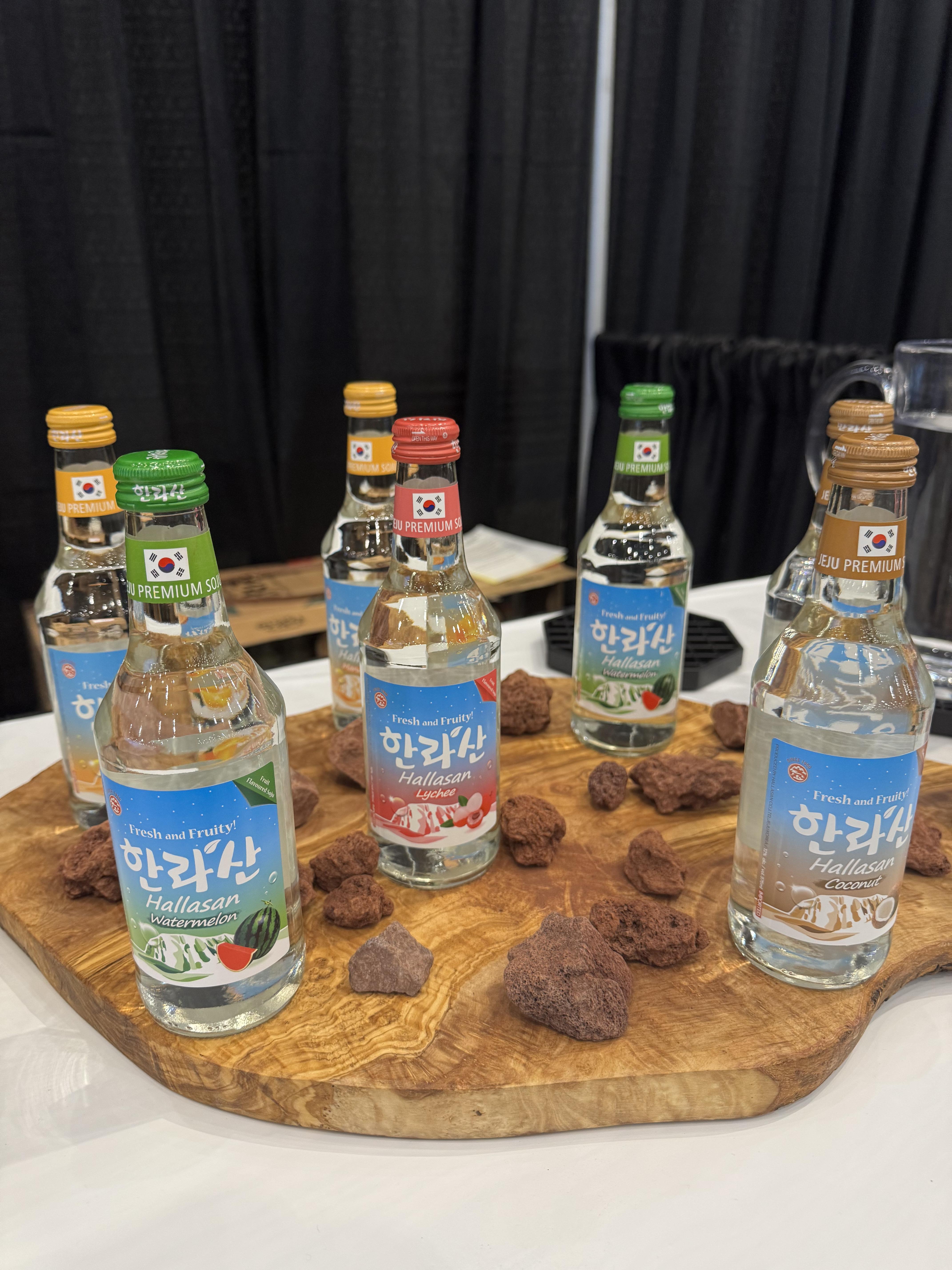
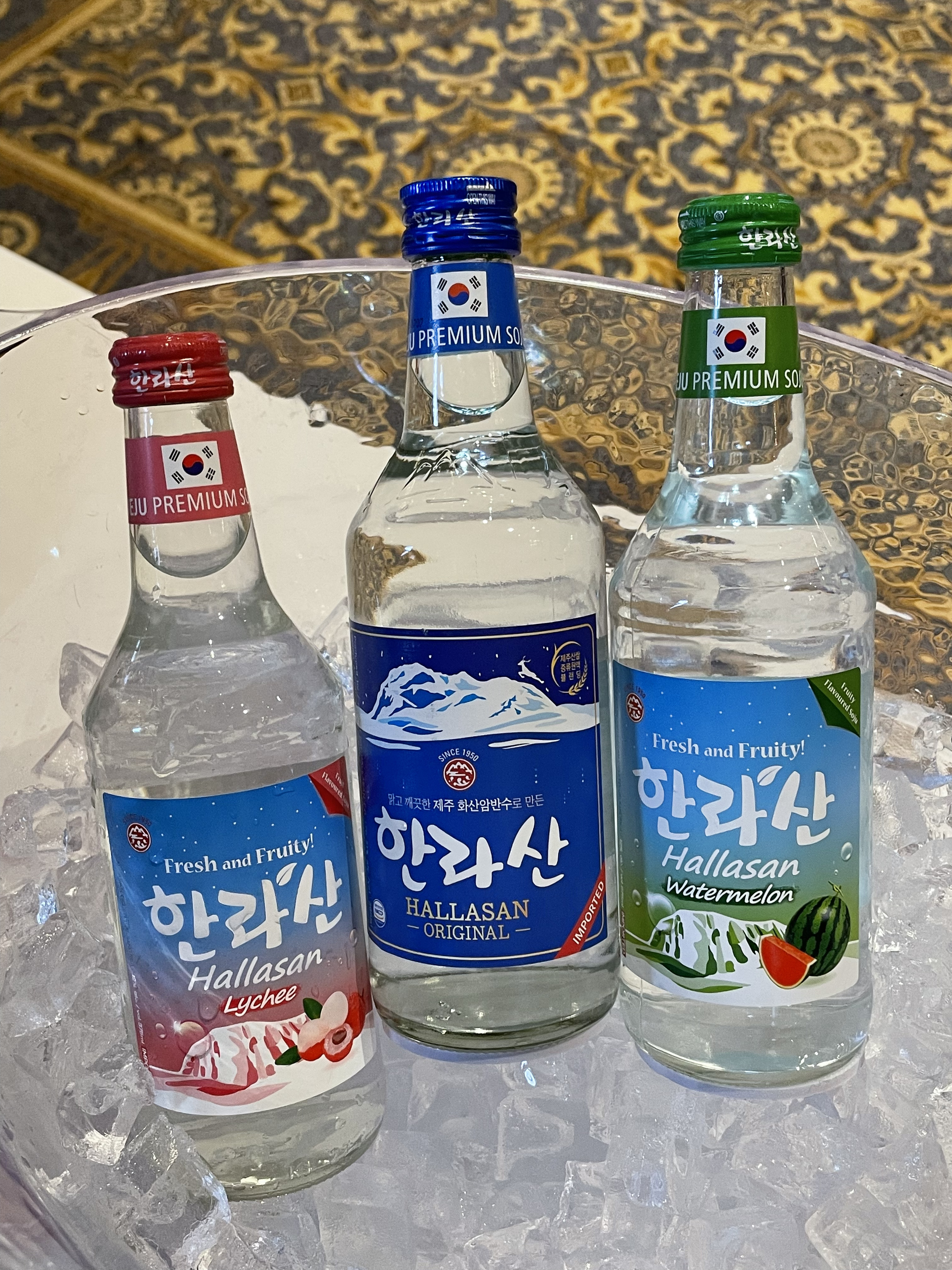
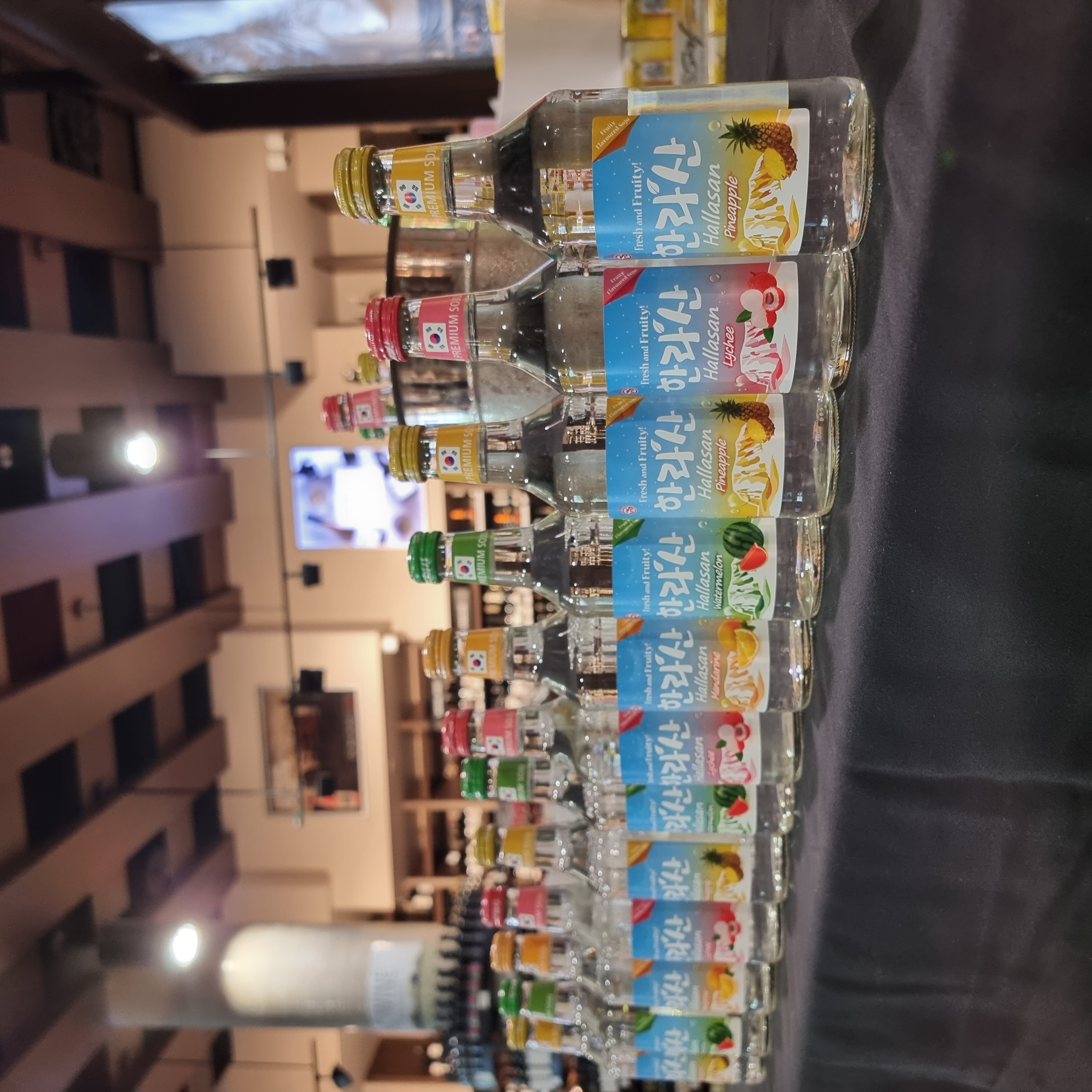
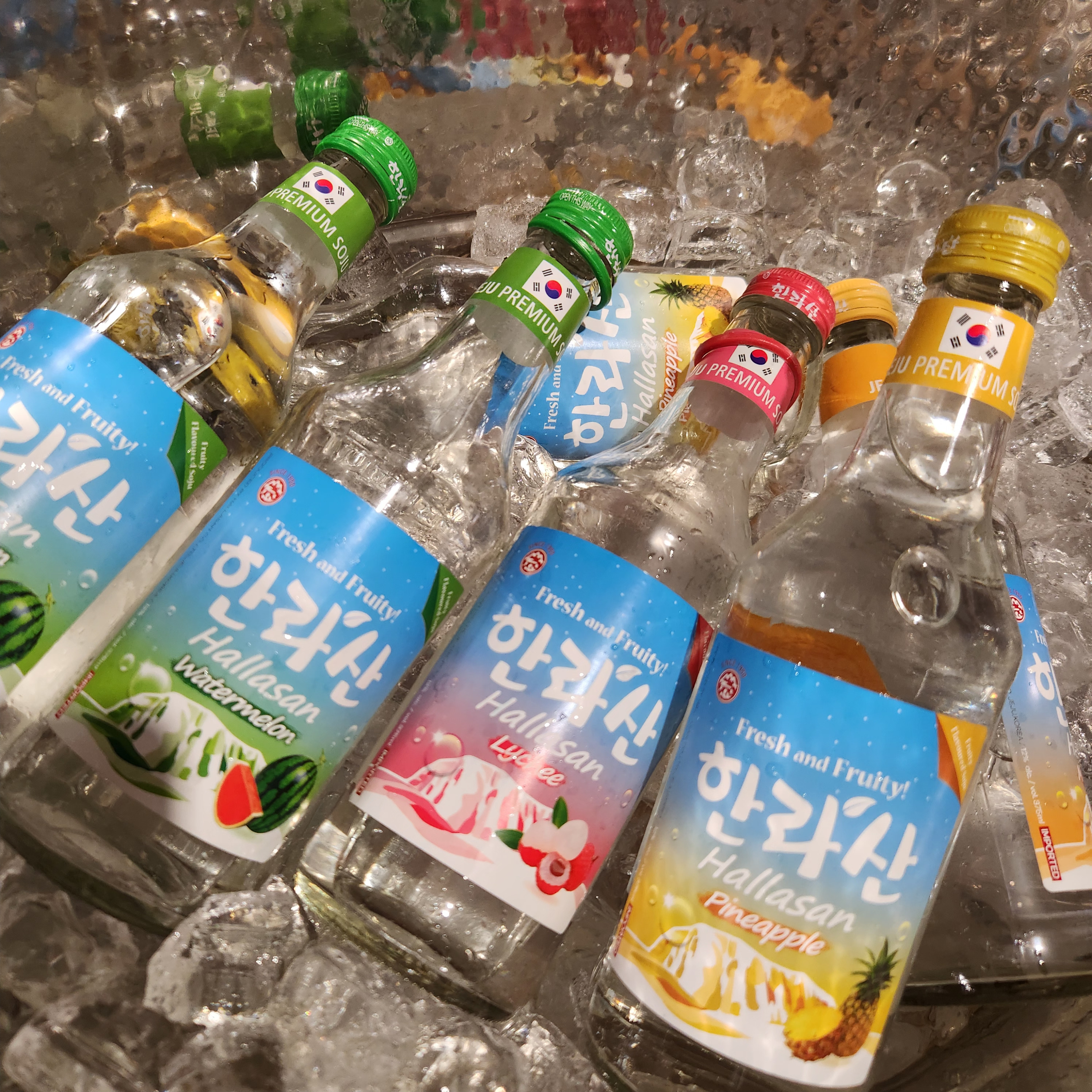
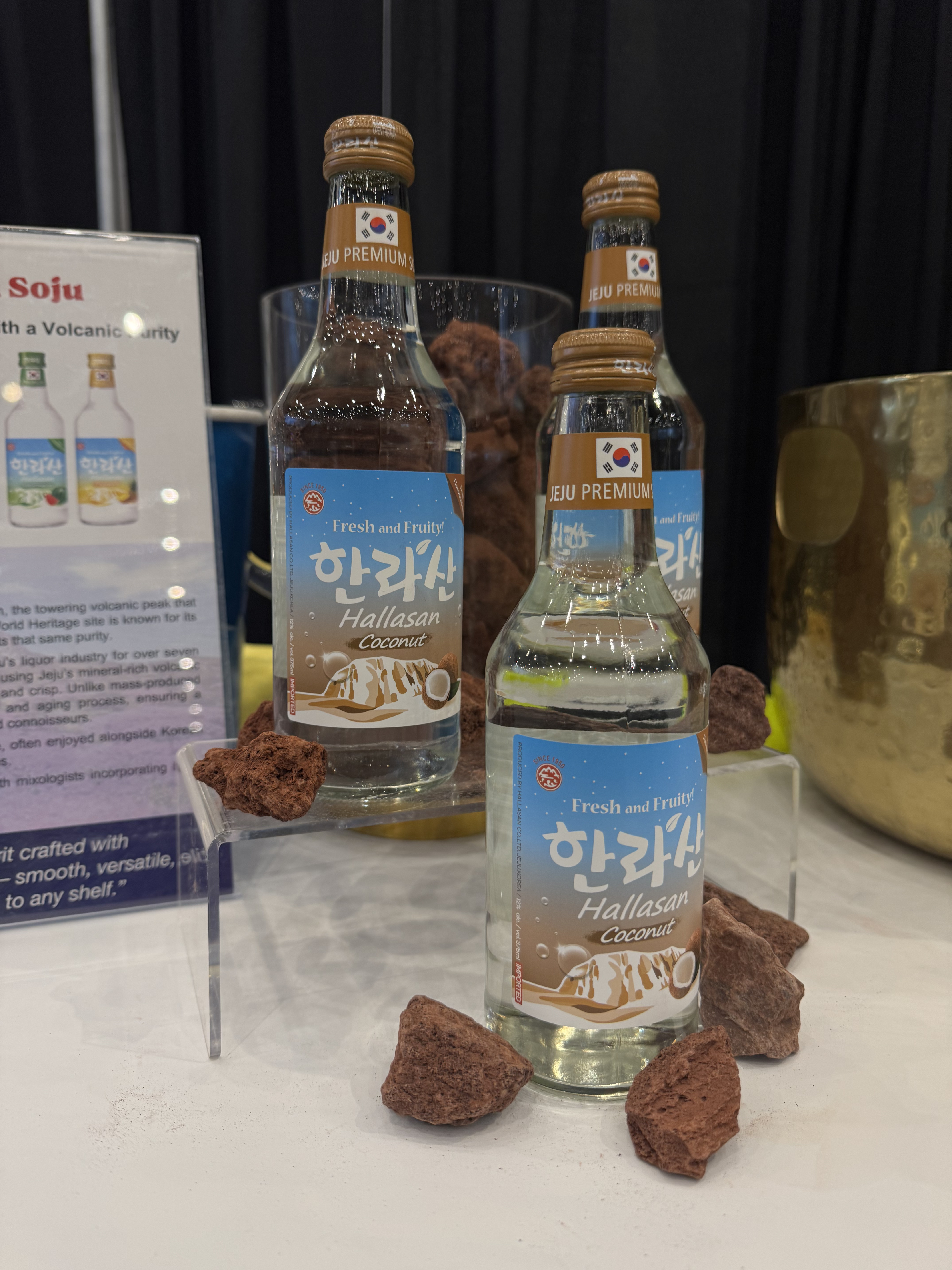
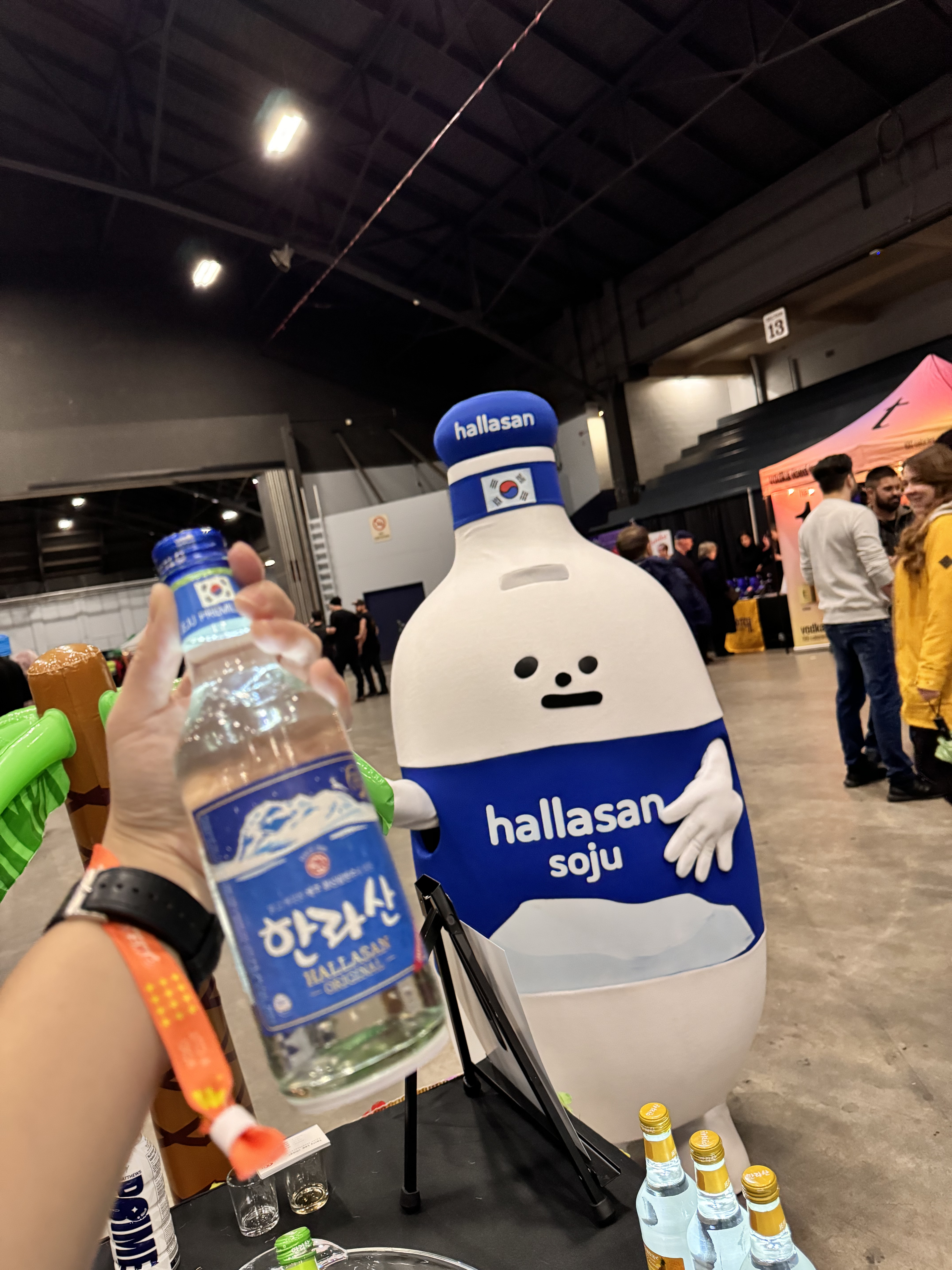
Hallasan is a premium soju from Jeju Island, South Korea, made using naturally alkaline, volcanic rock-filtered water, which gives it a clean and crisp taste. The original version is known for a higher alcohol content 21% and smooth profile, while flavored varieties, such as Mandarin and Lychee, are made with natural fruit juice for a balanced sweetness. It's often served cold and is versatile for sipping or mixing in cocktails.
Explore